Compare Local Contractors for Interior Lighting Installation Services
Compare local contractors for interior lighting installation to define scope, verify experience, and ensure clear written expectations for a successful project.
Interior lighting installation services typically encompass a range of tasks aimed at enhancing the illumination and aesthetic appeal of a property’s interior spaces. This work often includes planning the layout of fixtures, installing wiring and electrical components, and mounting various types of lighting fixtures such as recessed lights, chandeliers, sconces, or track lighting. Service providers may also assist with integrating lighting controls, dimmers, and smart home systems to improve functionality and convenience. Proper installation ensures that lighting is both effective and safe, contributing to the overall ambiance and usability of rooms.
Defining the scope of interior lighting installation is a crucial step for property owners, as it helps clarify expectations and ensures that the project meets specific needs. A well-defined scope outlines what fixtures will be installed, the complexity of the wiring work, any special features or controls, and the areas to be illuminated. Having these details in writing can prevent misunderstandings and provide a clear framework for the work to be performed. It also allows property owners to compare different service providers based on their experience with similar projects and their approach to handling the scope of work.
When evaluating local contractors for interior lighting installation, property owners should consider their experience with projects of similar size and complexity. Verifying a contractor’s background can involve reviewing their portfolio or seeking references to confirm their familiarity with various lighting systems and installation techniques. Comparing multiple service providers involves examining their proposed approaches, the clarity of their scope of work, and their ability to communicate expectations effectively. This process helps ensure the selected contractor can deliver a solution that aligns with the property’s needs and provides confidence in the quality of the work.
Compare local contractors by outlining your lighting project priorities, verifying experience, and setting clear expectations in writing.
- Compare Contractor Credentials - Review the experience and background of local contractors to ensure they meet project requirements.
- Define Project Scope Clearly - Specify the details of the lighting installation to set accurate expectations with service providers.
- Verify Work Experience - Confirm that contractors have relevant experience with interior lighting systems.
- Document Agreements in Writing - Ensure all project details, responsibilities, and expectations are documented for clarity.

Before comparing contractors for interior lighting installation, clearly describe your project scope and verify their experience.
- Verify the contractor’s experience with interior lighting installation projects similar in scope and style. - Ensure the service providers clearly define the scope of work and installation details in writing.
- Check for detailed project plans that outline lighting design, fixture placement, and wiring methods. - Confirm that local contractors adhere to safety standards and best practices for electrical work.
- Assess the contractor’s ability to provide references or examples of completed interior lighting projects. - Look for service providers who communicate expectations and project requirements clearly upfront.
- Compare the warranties or guarantees offered on lighting fixtures and installation work. - Ensure the scope of work, materials, and responsibilities are documented in the contract.
- Confirm that the contractor has appropriate insurance coverage for electrical and installation work. - Verify that all project details, including timelines and responsibilities, are outlined in written agreements.
Compare local contractors’ experience and clarify project scope to ensure smooth interior lighting installation.

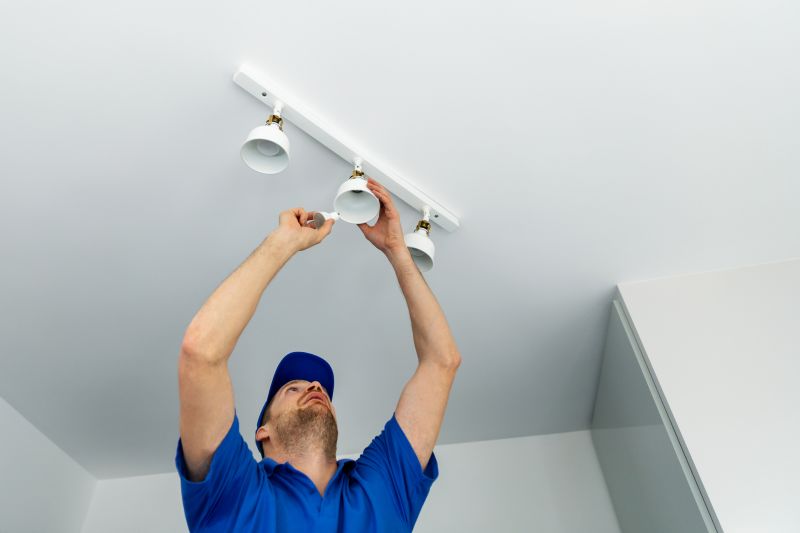


Use consistent comparison criteria to evaluate local contractors' scope, experience, and written expectations for interior lighting installation.
- Scope Definition - Clearly outline the specific types of interior lighting fixtures and areas to be illuminated in the project.
- Experience Verification - Confirm that local contractors have relevant experience with interior lighting installation in similar spaces.
- Material Specifications - Specify the preferred lighting fixtures, bulbs, and control systems to be used during installation.
- Installation Requirements - Detail the desired placement, wiring, and integration of lighting components to meet functional and aesthetic goals.
- Written Expectations - Document the scope, materials, and performance criteria to ensure clear understanding between all parties involved.
When evaluating contractors for interior lighting installation, it is important to consider their experience with similar projects. Homeowners should inquire about the types of spaces they have worked on and whether they have handled projects of comparable scope and complexity. A contractor with a proven track record in residential lighting upgrades or new installations within similar home styles can offer insights into their familiarity with common challenges and best practices. Verifying their experience helps ensure that the service providers have the practical knowledge needed to meet specific design and functional goals.
Having a clear, written scope of work is essential when comparing contractors. This document should outline the specific tasks involved, the types of fixtures to be installed, and any additional work such as wiring or control systems. A detailed scope helps prevent misunderstandings and provides a basis for evaluating the thoroughness of each proposal. It also enables homeowners to identify whether the contractor’s approach aligns with their expectations and project requirements, making it easier to compare options based on the comprehensiveness of the outlined work.
Verification of a contractor’s qualifications involves assessing their ability to deliver quality results. Homeowners should ask for references or examples of completed projects similar to their own. Confirming that the service providers have a history of successful installations can provide confidence in their capability. Additionally, understanding their process for handling unforeseen issues or modifications during installation can help set realistic expectations. While formal licensing or certification are not always required, gathering information about past work and client satisfaction contributes to making informed comparisons.
Evaluating options without focusing on prices involves examining how each contractor plans and approaches the project. Homeowners should review the clarity and professionalism of proposals, paying attention to the scope of work, materials, and timelines outlined. Asking service providers about their methods for ensuring quality, adherence to safety standards, and communication practices can reveal their level of professionalism. Comparing these aspects helps identify which contractors prioritize transparency and thorough planning, aligning with the homeowner’s expectations for a smooth and successful interior lighting installation.
Ask contractors to provide written scope details to ensure clear expectations and consistent project understanding.
- Experience and Expertise - What specific experience do local contractors have with interior lighting installation projects similar to yours?
- Scope of Work - How do contractors define and clarify the scope of the lighting installation to ensure all aspects are covered?
- Materials and Fixtures - What types of lighting fixtures and materials do the service providers recommend, and how are these choices documented?
- Project Expectations - How do contractors outline the project deliverables, responsibilities, and communication expectations in writing?
- Comparison Criteria - What key factors should be used to compare different local contractors’ approaches to scope, experience, and planning?
How can I compare contractors for interior lighting installation? To compare service providers, review their experience, specialties, and customer feedback, and request detailed written proposals to understand their approach and scope of work.
What should I consider when defining the scope of my lighting project? Clearly outline the types of lighting fixtures, areas to be illuminated, and any design preferences to ensure contractors understand your expectations and can provide accurate proposals.
How do I verify a contractor's experience with interior lighting installation? Ask for examples of previous projects, references, or portfolios that demonstrate their familiarity with similar lighting systems and installation techniques.
Why is it important to have the project scope in writing? Having a detailed written scope helps prevent misunderstandings, sets clear expectations, and provides a reference point for project completion and accountability.
What questions should I ask contractors during the comparison process? Inquire about their experience, approach to installation, materials used, and how they handle potential challenges or changes during the project.
How can I ensure the selected contractor is qualified for my interior lighting installation? Review their experience, request references or previous work examples, and verify that they understand your specific lighting needs to ensure they are well-suited for the job.
Understanding the key aspects of interior lighting installation, including defining project scope, verifying experience, and setting clear expectations in writing, can help ensure a smooth process. By exploring different local contractors, visitors can compare options and find service providers who meet their specific needs. Using the quote form allows for easy access to local professionals ready to assist with lighting projects.
Taking the time to compare local contractors for interior lighting installation enables better-informed decisions. It’s important to evaluate each service provider’s experience and clarify project details upfront. Filling out the quote form makes it simple to connect with local service providers, giving the opportunity to review options and choose the best match for the project.